Cybele
- Gallery: Sculpture, Room 21, The Dorothy and Michael Hintze Galleries
- Maker: Auguste Rodin (designer and maker)
- Made in: France
- Date: ca. 1904- ca. 1905
- Object type: Statue
- Materials: Bronze
- Dimensions: Height 161.5 cm
- Museum: V&A South Kensington
- Collection record: V&A website
- Image © Victoria and Albert Museum, London.
Listen to the free audio guide
In the museum now? Point your phone at the next object and hear its guide.
About this object
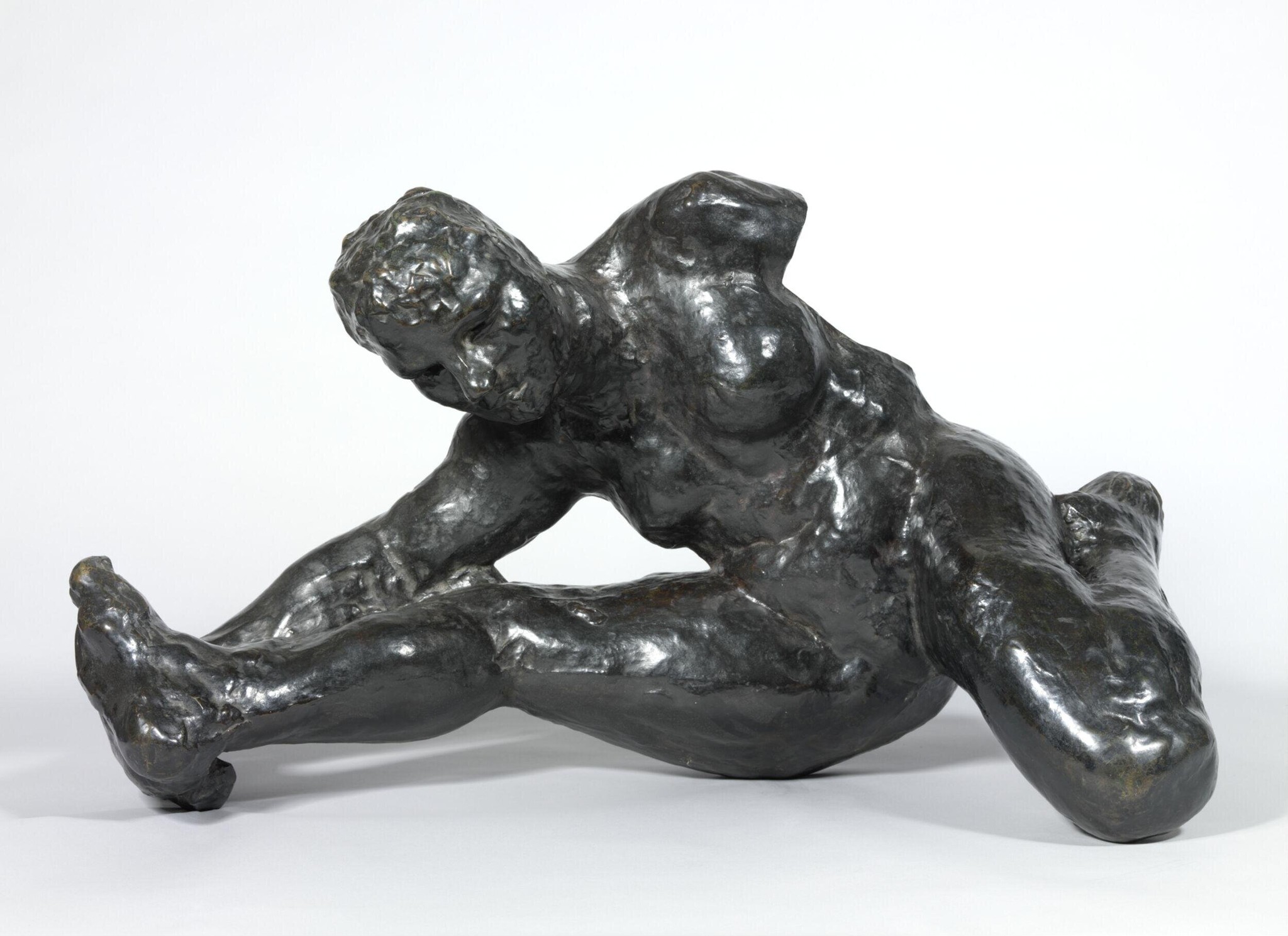
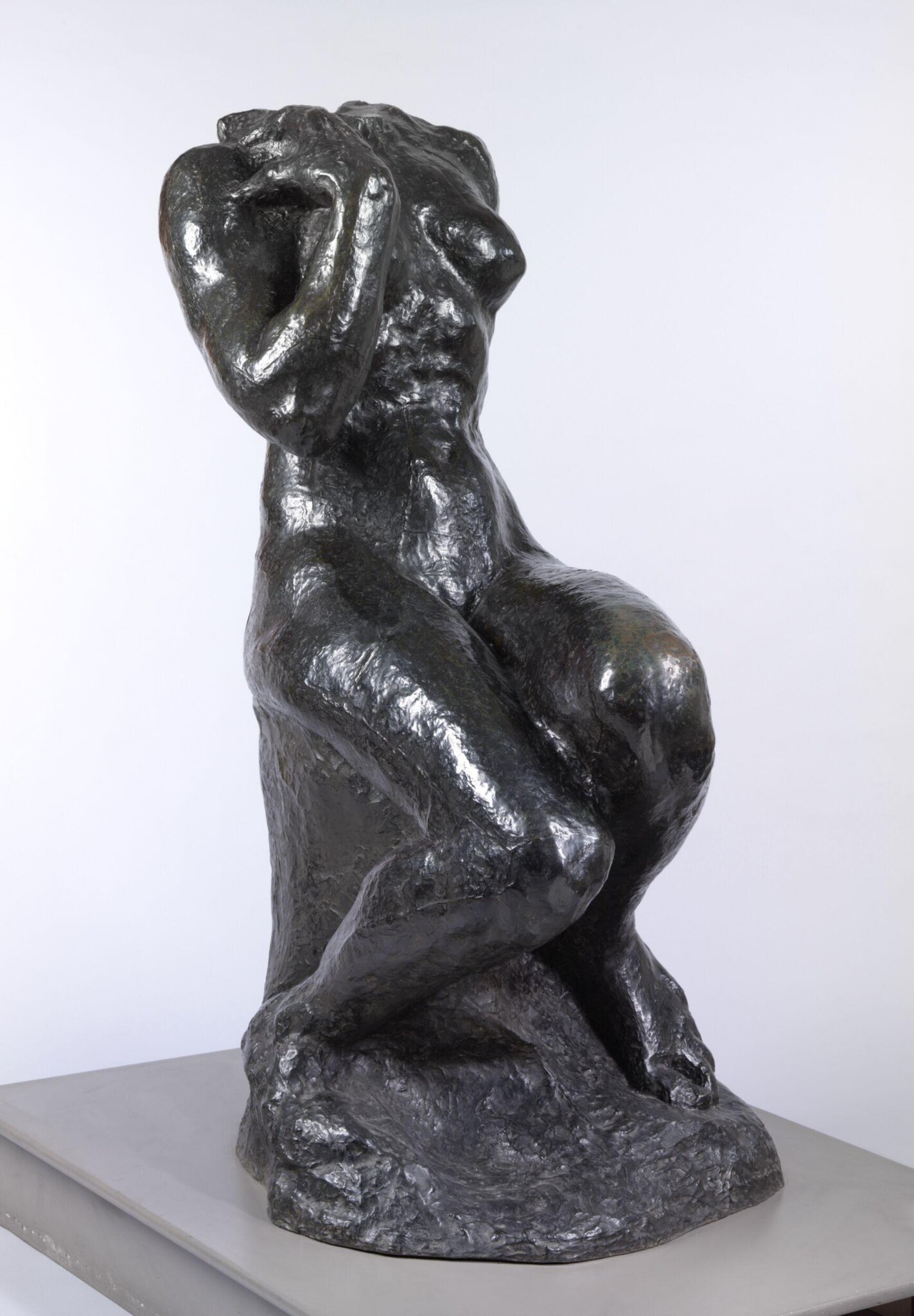
Before you is "Cybele", a striking bronze sculpture by Auguste Rodin created around 1904 or 1905. Notice the rough, apparently unfinished surface of the bronze. This figure is what Rodin called a fragment, a truncated or partial form shown as a complete sculpture in its own right.
This approach was inspired by the damaged classical sculptures Rodin studied in Italy and at the Louvre. By presenting the human body in this partial, more abstract way, Rodin helped pave the way for twentieth-century sculpture, influencing artists like Henry Moore.
The figure represents Cybele, the ancient Greek goddess of the earth. The model for this work was Anna Abbruzzesi, a well-known model whom Rodin greatly admired. While a smaller version of this figure was originally intended for a project called The Gates of Hell, this particular bronze is a larger version. In fact, it is the only cast of this specific work made during Rodin's lifetime.
See it in person
Cybele is on display in Sculpture, Room 21, The Dorothy and Michael Hintze Galleries at the V&A South Kensington on Cromwell Road, London — free to enter. Choose V&A South Kensington on audioguide.london and take a photo of it to hear this free audio guide in six languages — no app download needed.
New, in beta. V&A support has just launched and is still improving: 1,000 objects with audio so far, with more added all the time.